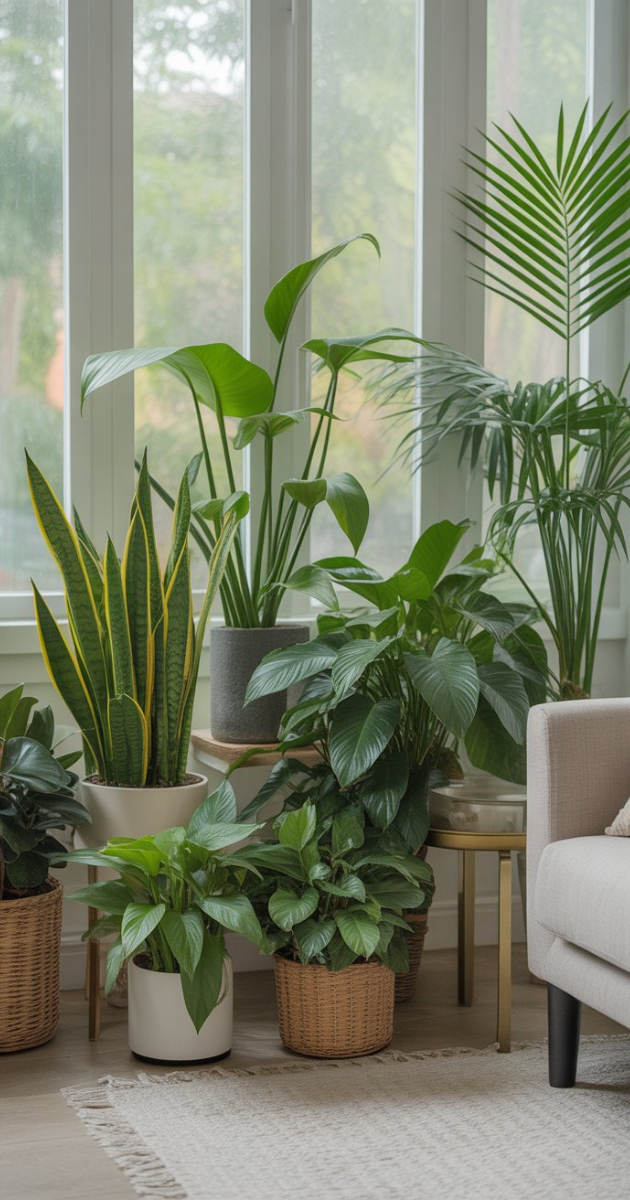

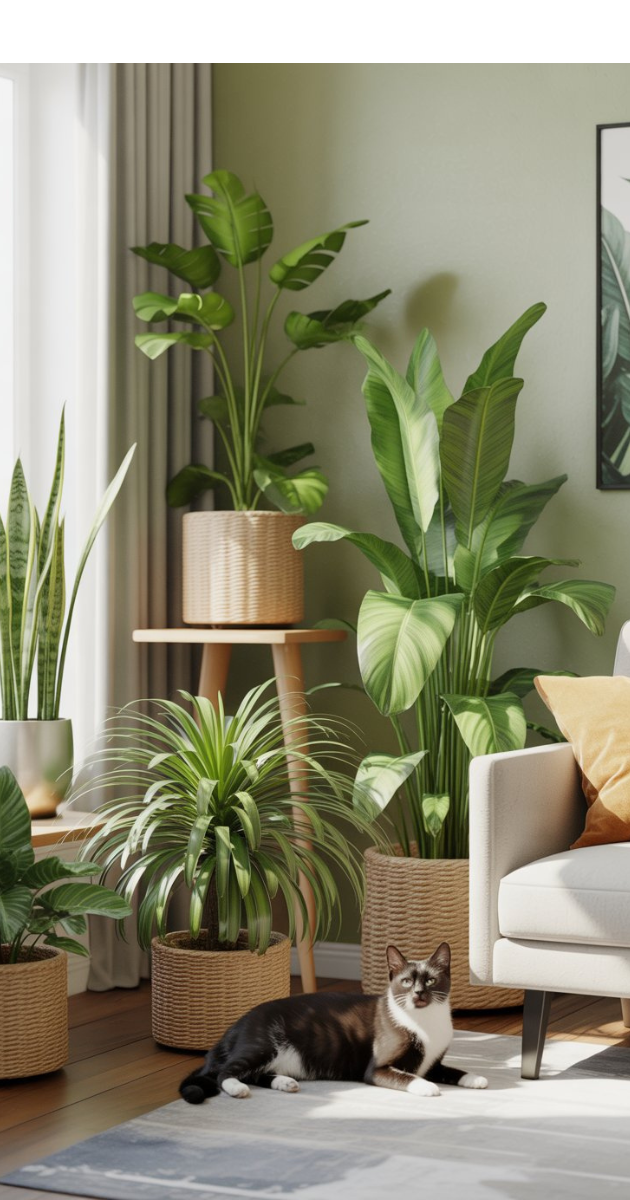
Bringing houseplants into your home is exciting—until you remember you have a curious cat or a dog that chews everything. 😅
For many beginners in the U.S., the biggest fear isn’t forgetting to water plants—it’s choosing something that could harm their pets.
The good news? You can enjoy a lush indoor garden without risking your pet’s safety. This guide walks you through the best indoor plants for beginners with pets, focusing on plants that are non-toxic, easy to care for, and forgiving of mistakes.
Whether you’re new to plants, pets, or both, you’re in the right place.
Why Pet-Safe Indoor Plants Matter
Cats and dogs often investigate new things by chewing or licking them. Even plants that seem harmless can cause problems if they’re toxic.
Choosing pet-safe plants helps you:
-
Prevent unplanned trips to the emergency vet
-
Reduce stress for both you and your animal companion
-
Create a safer, more relaxed home environment
If you’re a beginner, it’s especially important to start with plants that are both low-maintenance and non-toxic.
What Makes a Good Beginner Plant for Homes with Pets?
Before jumping into specific plant names, let’s define what you should look for.
Beginner-Friendly Traits
-
Tolerates missed waterings
-
Flourishes in indoor lighting environments
-
Doesn’t require special fertilizers
Pet-Safe Traits
-
Harmless to both cats and dogs
-
No sharp or irritating sap
-
Safe if leaves are chewed occasionally
The plants below check both boxes.
1. Spider Plant (Chlorophytum comosum)
Spider plants are one of the best starter plants for any home—especially homes with pets.
Why Beginners Love It
-
Extremely forgiving
-
Grows fast and shows clear watering signals
-
Thrives in indirect light
Why It’s Safe for Pets
-
Completely safe and non-harmful to cats and dogs
-
Even if pets nibble the leaves, it’s generally harmless
Care Basics
-
Light: Strong but filtered sunlight
-
Water: Only water after the top part of the soil feels dry to the touch.
-
Bonus: Produces baby “spiderettes” you can propagate
📌 Tip: Cats sometimes love batting at the long leaves—hang it higher if needed.
2. Boston Fern
If you love full, leafy greenery, the Boston fern is a classic choice.
Beginner Benefits
-
Adds instant lushness
-
Enhances the quality of indoor air
-
Responds well to consistent care
Pet Safety
-
Completely safe for cats and dogs
Care Basics
-
Light: Moderate to strong indirect sunlight
-
Water: Maintain lightly moist soil without letting it become waterlogged
-
Humidity: Likes humid rooms (great for bathrooms)
📌 Tip: If leaves turn crispy, it usually needs more humidity—not more water.
3. Areca Palm
Want that indoor jungle vibe without the stress? Areca palms deliver.
Why It’s Beginner-Friendly
-
Grows slowly indoors
-
Tolerates light mistakes
-
A perfect fit for living room décor
Pet-Friendly Bonus
-
Non-toxic to pets
Care Basics
-
Light: Bright, indirect sunlight
-
Water: Allow the soil to partially dry between waterings.
-
Size: Can grow tall over time
📌 Tip: Rotate the plant every few weeks for even growth.
4. Calathea (Prayer Plant Family)
Calatheas are known for their stunning patterned leaves—and yes, they’re pet-safe.
Why Beginners Can Succeed
-
Clear visual cues (leaves curl when thirsty)
-
Compact size for shelves or tables
Pet Safety
-
Safe for cats and dogs
Care Basics
-
Light: Indirect light, low to medium levels
-
Water: Use filtered or distilled water if possible
-
Humidity: Enjoys slightly humid air
📌 Tip: Brown edges often mean dry air, not disease.
5. Parlor Palm
This is one of the most underrated beginner plants.
Why It’s Perfect for New Plant Owners
-
Slow-growing
-
Handles low light well
Safe for Pets
-
Non-toxic and gentle
Care Basics
-
Light: Low to medium light
-
Water: Let soil dry slightly between waterings
-
Placement: Great for corners and desks
📌 Tip: Overwatering is the biggest mistake—less is more.
6. Peperomia
Peperomia plants come in many shapes and textures, making them fun for beginners.
Beginner Advantages
-
Compact size
-
Thick leaves store water
-
Ideal for apartments
Pet Safety
-
Safe for cats and dogs
Care Basics
-
Light: Bright, indirect light
-
Water: When soil is mostly dry
-
Growth: Slow and manageable
📌 Tip: If leaves feel mushy, reduce watering.
Plants Beginners with Pets Should Avoid
Even popular houseplants can be dangerous. Avoid these if you have pets:
-
Snake Plant
-
Pothos
-
Philodendron
-
ZZ Plant
-
Aloe Vera
-
Peace Lily
These plants are common in stores but toxic to pets, especially cats.
Smart Placement Tips for Homes with Pets
Even pet-safe plants benefit from thoughtful placement.
-
Use hanging planters
-
Place plants on high shelves
-
Avoid floor-level pots for curious puppies
-
Use heavy pots to prevent tipping
This keeps plants looking good and pets less tempted.
You may also like this
Easy Indoor Plants Anyone Can Grow
Everyday Houseplant Issues and Simple Ways to Solve Them
Low-Maintenance Houseplants for Beginners
Beginner Watering Mistakes to Avoid
Many new plant owners accidentally harm plants by overwatering.
Watch out for:
-
Watering on a fixed schedule
-
Pots without drainage holes
-
Constantly wet soil
👉 Always check the soil before watering. If it feels damp, wait.
Final Thoughts: You Can Have Plants and Pets
Choosing the best indoor plants for beginners with pets doesn’t have to be stressful. By starting with non-toxic, low-maintenance plants, you protect your furry friends while building confidence as a plant parent.
Start with one or two plants, watch how they grow, and enjoy the journey. A pet-safe indoor garden is absolutely possible—and incredibly rewarding 🌿🐾