
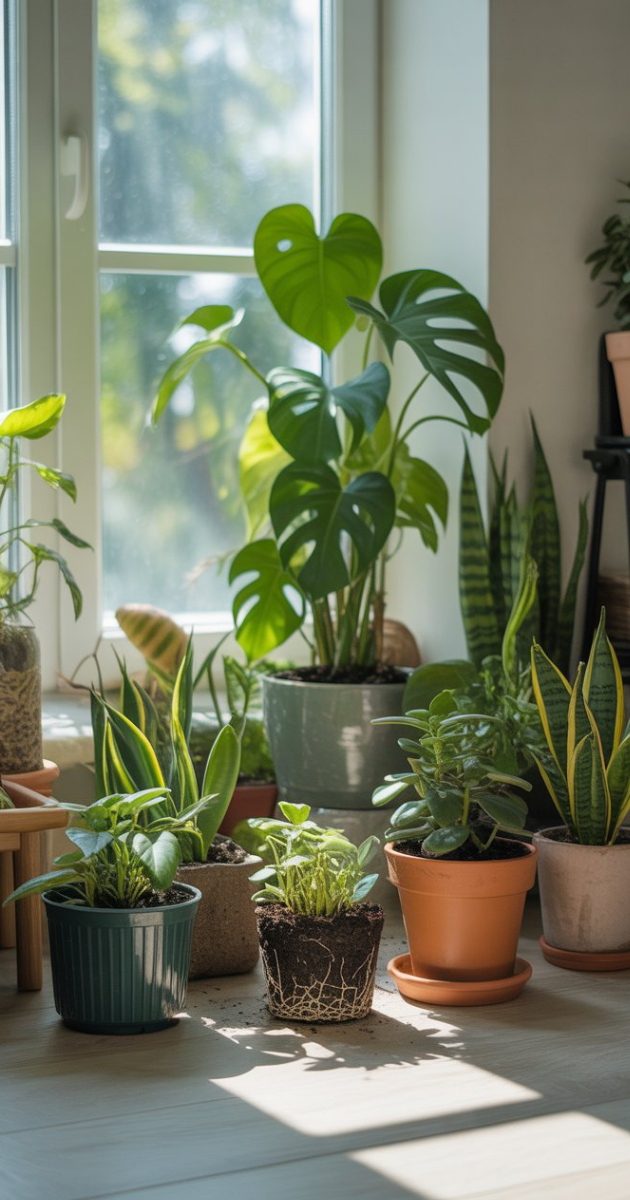
If you’ve ever brought home a beautiful plant—only to watch it struggle weeks later—you’re not alone. Many beginners focus on watering and sunlight but overlook one critical factor: the pot.
Choosing the right pot for indoor plants can make the difference between healthy roots and constant problems like yellow leaves, root rot, or stunted growth. The good news? Once you understand a few basic principles, selecting the perfect container becomes simple and even fun.
Let’s break it down in a clear, beginner-friendly way so you can confidently choose the best pot for your houseplants.
How the Right Container Can Make or Break Your Plant’s Health
A pot isn’t just decorative. It directly affects:
-
Drainage
-
Root health
-
Moisture control
-
Plant stability
-
Growth speed
When a plant struggles indoors, the container is often part of the problem. The wrong pot can trap too much moisture or dry out too quickly—both of which stress the roots.
Healthy roots = healthy plant. Everything starts below the soil.
Step 1: Always Check for Drainage Holes
If you remember just one tip, let it be this one:
Drainage holes are essential.
Houseplants don’t tolerate standing water. Without drainage holes, extra moisture builds up at the bottom and can lead to root rot—one of the most common beginner errors.
Why Drainage Is So Important
-
Prevents soggy soil
-
Lowers the chances of fungus gnat infestations.
-
Keeps roots oxygenated
-
Protects against overwatering
If you fall in love with a decorative pot that has no holes, don’t panic. Simply:
-
Keep the plant housed in a plastic nursery container.
-
Sit the pot within the ornamental container.
-
Remove it when watering
-
Let excess water fully drain before putting it back
This simple trick protects your plant while keeping your home stylish.
Step 2: Choose the Right Pot Size
Bigger is not always better.
One of the most common indoor plant care mistakes is placing a small plant in a pot that’s too large. When a pot holds too much soil, it retains excess moisture—and the roots can’t absorb it all fast enough.
General Sizing Rule for Beginners
-
Select a container that’s about 1–2 inches wider than the current root ball.
-
For larger plants, go up 2–3 inches at most
Signs the Pot Is Too Small
-
Roots poking through the drainage holes.
-
The soil dries out very quickly.
-
Plant looks top-heavy
-
Stunted growth
Signs the Pot Is Too Large
-
The soil remains damp for several days.
-
Leaves turn yellow
-
Mushy stems
When repotting indoor plants, gradual size increases are safer than dramatic jumps.
Step 3: Pick the Best Pot Material
The type of pot material influences how fast soil dries — something many beginners tend to overlook.
1. Plastic Pots (Beginner-Friendly Choice)
Best for: Most indoor plants
Pros:
-
Lightweight
-
Affordable
-
Retain moisture longer
-
Ideal for plants that prefer consistently moist soil.
Cons:
-
Less breathable
-
Not particularly attractive by themselves.
Plastic is ideal if you tend to underwater or live in a dry climate.
2. Terracotta Pots (Great for Overwaterers)
Best for: Succulents, cacti, snake plants
Pros:
-
Porous and breathable
-
Soil dries faster
Cons:
-
Dries out quickly
-
Heavier
-
Can crack
If you accidentally overwater your indoor plants, terracotta can help balance moisture naturally.
3. Decorative Ceramic Pots (Stylish with Drainage Considerations)
Best for: Decorative indoor spaces
Pros:
-
Beautiful designs
-
Moderate moisture retention
Cons:
-
May not always have drainage holes.
-
Heavier
Always double-check the bottom before purchasing.
Step 4: Match the Pot to Your Plant Type
Not all houseplants have the same needs.
For Succulents & Cacti
-
Smaller pots
-
Terracotta preferred
-
Excellent drainage
These plants store water and prefer soil that dries quickly.
For Tropical Plants (Pothos, Monstera, Peace Lily)
-
Plastic or coated ceramic pots.
-
Moderate size increase when repotting
-
Consistent drainage
These plants enjoy evenly moist soil but never soggy conditions.
For Large Floor Plants (Fiddle Leaf Fig, Rubber Plant)
-
Heavier pots for stability
-
Strong drainage
-
Slightly snug fit to prevent overwatering
Large plants can tip over in lightweight containers, so stability matters.
Step 5: Consider Your Home Environment
Your home conditions affect how pots perform.
If You Live in a Dry Climate
-
Plastic or glazed pots help retain moisture
If Your Home Is Humid
-
Terracotta can prevent soil from staying wet too long
If You Have Pets or Kids
-
Opt for heavier containers to avoid tipping over.
-
Steer clear of delicate materials in busy areas.
Choosing the right pot for indoor plants isn’t just about the plant—it’s also about your living space.
Repotting Tips for Beginners
When it’s time to repot your indoor plants, follow these simple steps:
-
Water the plant lightly a day before repotting
-
Carefully take it out of its existing pot.
- Position the plant in its new pot and surround it with fresh, airy soil.
- Water deeply and let the extra water drain away.
Avoid fertilizing immediately after repotting. Let the plant adjust first.
Common Potting Mistakes to Avoid
Even experienced plant owners sometimes make these mistakes:
-
Choosing pots without drainage holes
-
Repotting too often
-
Moving to an oversized pot too quickly
-
Ignoring root-bound signs
-
Using heavy garden soil instead of indoor potting mix
Indoor gardening success often comes down to small decisions like these.
You may also like this
Indoor Plant Care for Beginners: A Complete Guide
Easy Indoor Plants Anyone Can Grow
Best Indoor Plants for Beginners with Pets
Everyday Houseplant Issues and Simple Ways to Solve Them
Decorative Pots vs. Nursery Pots: What’s Better?
Here’s a practical approach many experienced indoor gardeners use:
-
Keep plants in lightweight nursery pots
-
Place them inside decorative outer pots (cachepots)
-
Remove for watering
This method gives you flexibility and protects roots from standing water.
It’s simple, clean, and beginner-proof.
Final Thoughts: A Healthy Plant Starts with the Right Pot
Finding the right pot doesn’t have to be confusing when you follow a few basic guidelines.Focus on:
-
Proper drainage
-
Correct size
-
Suitable material
-
Matching pot type to plant needs
When roots have the right environment, everything above the soil improves—stronger growth, better leaf color, and fewer problems.
Indoor gardening should feel rewarding, not confusing. Start with the right pot, and you’ll set your houseplants up for long-term success.
Healthy roots create happy plants—and confident plant owners.