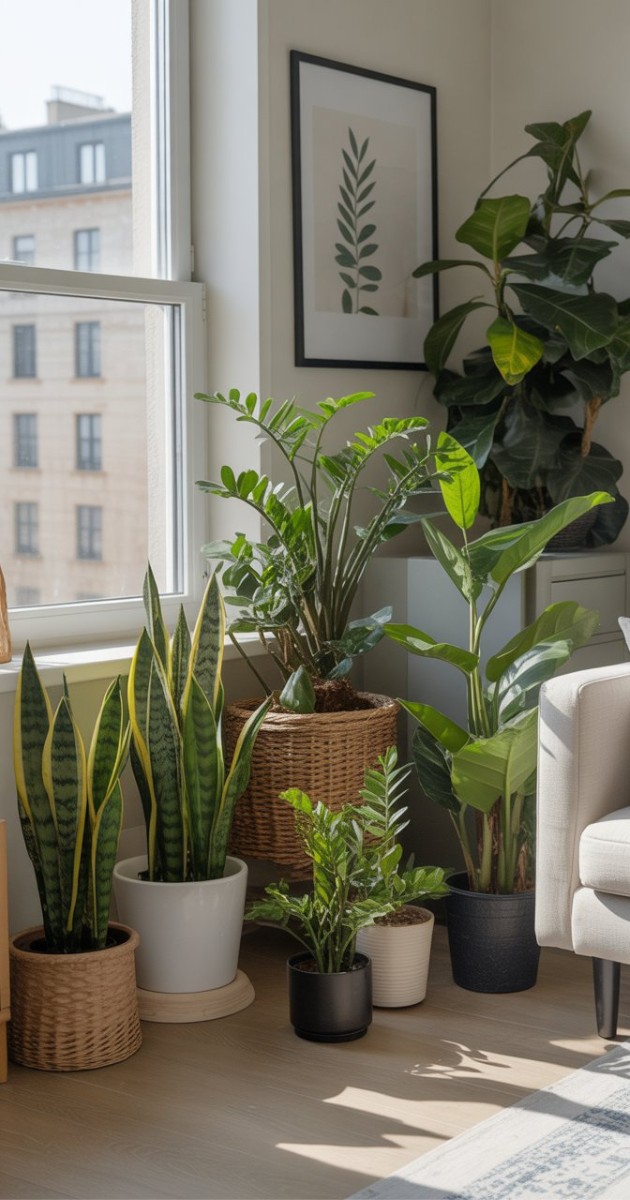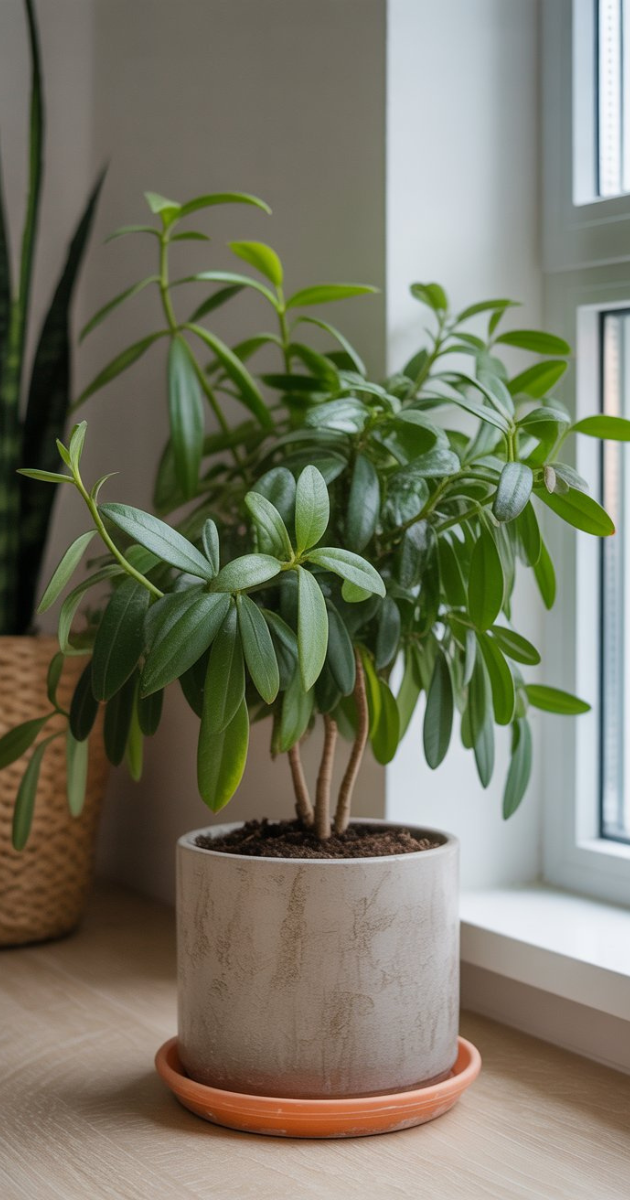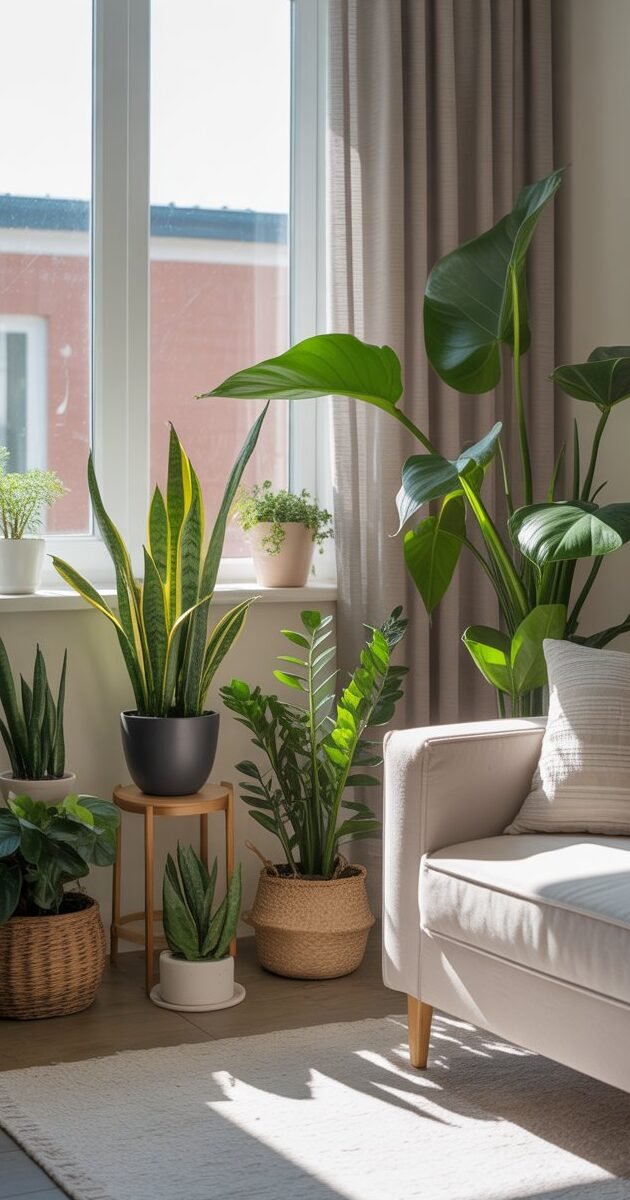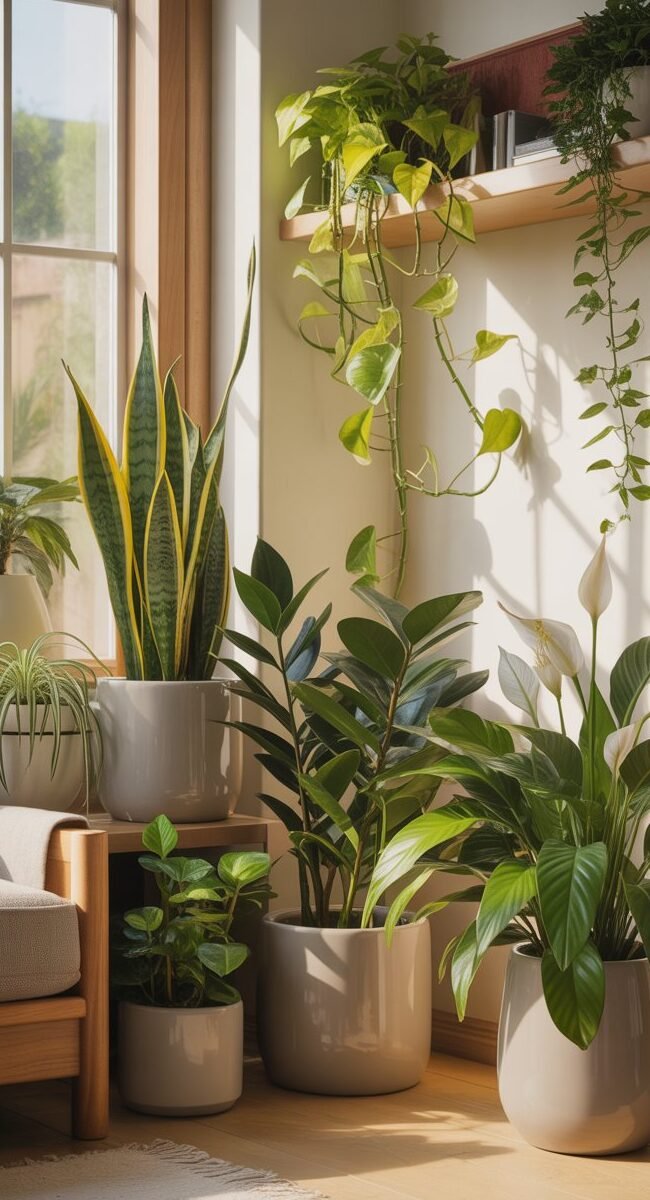

Indoor gardening is exciting—until your first plant starts dropping leaves or turning yellow for no obvious reason. If you’re just starting with houseplants, you’re definitely not alone. Most beginner plant problems don’t come from a lack of effort, but from small, common mistakes that are easy to fix once you know them.
This guide walks you through the most common beginner mistakes to avoid in indoor gardening, explains why they happen, and shows you exactly what to do instead. Think of this as your shortcut to healthier, happier plants 🌱
Why Beginners Struggle With Indoor Plants
Indoor plants live in a controlled environment that’s very different from nature. Limited light, artificial heating, and pots with restricted root space all affect how plants grow. Beginners often assume plants need more attention than they actually do—leading to overwatering, poor placement, or constant adjustments.
The good news? Once you avoid a few key mistakes, indoor gardening becomes much easier and far more rewarding.
Mistake #1: Overwatering Your Plants
Why This Happens
Many beginners believe watering more often equals better care. In reality, overwatering is the number one killer of indoor plants.
What Overwatering Does
-
Suffocates roots by removing air pockets in the soil
-
Encourages root rot and fungal growth
-
Leads to yellow leaves and soft, mushy stems
What to Do Instead
-
Make sure to inspect the soil prior to watering
-
-
Use pots with drainage holes
💡 Tip: If you’re unsure, wait one more day. Underwatering is easier to correct than overwatering.
Mistake #2: Using pots without drainage harms roots.
Why It’s a Problem
Pots without drainage trap excess water at the bottom, even if you water carefully.
Signs This Is an Issue
-
Constantly wet soil
-
Bad smell coming from the pot
Better Choice
-
Use pots with at least one drainage hole
-
If using decorative pots, keep the plant in a nursery pot inside
Drainage isn’t optional—it’s essential for healthy roots.
Mistake #3: Placing plants in unsuitable lighting conditions
The Common Misunderstanding
“Low light” does not mean no light. Many beginners place plants far from windows, assuming they’ll adapt.
What Happens
-
Leggy, stretched growth
-
Undersized or faded leaves
-
No new growth
How to Fix It
-
Put a saucer below the pot to collect any overflow
-
Use sheer curtains to soften strong sun
-
Rotate plants every few weeks for even growth
🌤️ A bright room with no direct sun is ideal for most beginner-friendly plants.
Mistake #4: Watering on a Fixed Schedule
Why This Doesn’t Work
Plants don’t follow calendars. Their water needs change based on:
-
Season
-
Temperature
-
Light levels
-
Plant size
Smarter Approach
-
Check soil moisture, not the date
-
Cut back on watering during winter and increase it in summer
-
Learn each plant’s specific needs
Consistency matters, but flexibility matters more.
Mistake #5: Ignoring Humidity Levels
Indoor Air Is Often Too Dry
Especially in winter, heating systems dry out the air—something many tropical plants hate.
Signs of Low Humidity
-
Brown leaf tips
-
Crispy edges
-
Slow growth
Easy Fixes
-
Group plants together
-
Use a pebble tray with water
-
Mist occasionally (lightly, not daily)
You don’t need a greenhouse—just a little awareness.
Mistake #6: Choosing Difficult Plants Too Early
The Beginner Trap
That gorgeous plant at the store might look tempting, but some plants are simply not beginner-friendly.
Plants That Often Frustrate Beginners
-
Fiddle leaf fig
-
Calathea
-
String of pearls
Better Starter Plants
-
Snake plant
-
Pothos
-
Spider plant
-
ZZ plant
Starting easy builds confidence and skills.
Mistake #7: Using the Wrong Soil
Why Soil Matters
Garden soil or cheap, dense mixes can hold too much water and suffocate roots.
What Beginners Often Do
-
Reuse old soil
-
Use outdoor soil indoors
-
Ignore plant-specific needs
What to Use Instead
-
Well-draining indoor potting mix
-
Add perlite or orchid bark for airflow
-
Use cactus/succulent mix for drought-tolerant plants
Good soil is the foundation of indoor gardening success.
Mistake #8: Overfertilizing
More Fertilizer ≠ Faster Growth
Beginners often think fertilizer works like food. In reality, too much can burn roots.
Signs of Overfertilizing
-
Brown leaf tips
-
A chalky white layer forming on top of the soil
-
Fragile or injured roots
Safe Fertilizing Tips
-
Fertilize only during spring and summer
-
Apply a watered-down liquid fertilizer
-
Skip fertilizer for newly repotted plants
When in doubt, use less.
Both Extremes Are a Problem
Some beginners repot constantly, while others never do.
When Repotting Is Needed
-
Roots emerging from the bottom drainage holes
-
Soil dries out too fast
-
Plant stops growing
Best Practice
-
Repot every 1–2 years for most plants
-
Select a pot just 1–2 inches bigger than the current one
-
Refresh soil gently
Repotting should support growth—not stress the plant.
Mistake #10: Expecting Instant Results
Plants Grow Slowly—Especially Indoors
Many beginners worry when they don’t see immediate changes.
What’s Normal
-
Slow growth in winter
-
Periods of rest
-
Gradual shifts over weeks rather than days
What Helps
-
Observe, don’t overreact
-
Make one change at a time
-
Be patient
Indoor gardening is a long game—and that’s part of the joy.
Mistake #11: Ignoring Early Warning Signs
Plants Communicate
Leaves tell you a lot if you know what to look for.
Common Signals
-
Yellow leaves → watering or light issue
-
Drooping → thirst or root problems
-
Spots → pests or moisture imbalance
Check plants weekly and act early.
You may also like this
Indoor Plant Care for Beginners: A Complete Guide
Low-Maintenance Houseplants for Beginners
Mistake #12: Judging your plants based on social media standards
The Hidden Truth
Photos online often show:
-
Perfect lighting
-
Recently cleaned leaves
-
Carefully staged plants
Real plants aren’t perfect—and they don’t need to be.
Focus On
-
Healthy growth
-
Stable leaves
-
Gradual improvement
Your home is not a photoshoot, and that’s okay.
Final Thoughts: Grow Smarter, Not Harder
Indoor gardening doesn’t require perfection—just awareness. By avoiding these beginner mistakes, you give your plants what they truly need: stable care, patience, and the right environment.
Each plant you cultivate offers a new lesson. Mistakes are part of the journey, but now you know which ones to skip 😉
Happy growing 🌿