
Indoor plants are supposed to make your home calmer and greener—so discovering tiny bugs crawling on your leaves can feel frustrating, even a little gross. If you’re new to houseplants, pests often show up because of small care mistakes, not because you’re “bad at plants.”
The good news? Most indoor plant pests are easy to prevent once you know what attracts them and how to stop problems before they start. With a few simple habits, you can keep your plants healthy, clean, and pest-free—without harsh chemicals.
This guide walks you through practical, beginner-friendly ways to prevent pests on indoor plants, step by step.
Why Indoor Plants Get Pests in the First Place
Plant pests don’t appear randomly. They’re usually invited in by conditions pests love.
Common reasons pests show up indoors:
-
Overwatering and constantly damp soil
-
Fragile or struggling plants.
-
Poor air circulation
-
New plants brought home without inspection
-
Dusty leaves that pests can hide on
Healthy plants are naturally more resistant to pests. Prevention starts with good daily care, not sprays.
Common Indoor Plant Pests to Watch For
Knowing what you’re preventing helps you act early.
The most common indoor plant pests include:
-
Spider mites – tiny, web-like pests that thrive in dry air
-
Fungus gnats – small flies hovering around soil
-
Mealybugs –White, cotton-like clusters on stems and leaves
-
Aphids – soft green or black insects on new growth
- Scale insects – brown, shell-like bumps on stems
Catching pests early makes prevention much easier.
Start With Healthy Plants
Strong plants are your first line of defense.
When plants are stressed, pests move in fast. To keep plants healthy:
-
Position most houseplants in strong, indirect light.
-
Use well-draining soil
-
Avoid sudden temperature changes
-
Don’t crowd plants too closely together
A healthy plant can tolerate minor pest exposure without becoming infested.
Inspect New Plants Before Bringing Them Home
Many pest problems start the day you buy a new plant.
Before adding a plant to your collection:
-
Inspect the bottom side of leaves.
-
Inspect stems and soil surface
-
Look for sticky residue, webs, or white fuzz
After bringing a plant home, quarantine it for 1–2 weeks away from other plants. This simple habit prevents pests from spreading.
Water Correctly to Prevent Pests
Too much water in the soil is like an open invitation for fungus gnats.
Smart watering habits:
- Water the plant only after the top layer of soil has dried out.
-
Empty saucers so water doesn’t sit
-
Use pots with drainage holes
-
Let soil dry slightly between waterings
Drying the soil surface discourages gnats and root-related pest issues.
Keep Leaves Clean and Dust-Free
Dusty leaves are the perfect hiding spot for pests.
Make leaf cleaning part of your routine:
- Lightly wipe each leaf with a damp cloth to remove dust buildup monthly.
-
Rinse plants in the shower if size allows
-
Avoid leaf shine products (they can trap pests)
Clean leaves also absorb light better, keeping plants stronger.
Improve Air Circulation Indoors
Stagnant air creates a cozy environment for pests like spider mites.
To improve airflow:
-
Leave a few inches of space between plants.
-
Occasionally open windows when weather allows
-
Use a small fan on low in plant-heavy rooms
Better airflow helps leaves dry faster and reduces pest-friendly conditions.
Use Preventive Natural Treatments
You don’t need chemicals to prevent pests—gentle options work well when used consistently.
Neem Oil (Preventive Use)
Neem oil helps deter pests before they settle in.
-
Follow the label directions when mixing.
-
Spray leaves lightly every 2–4 weeks
-
Focus on undersides of leaves
Insecticidal Soap
-
Suitable for the majority of indoor plants.
-
Effective against aphids, mites, and mealybugs
-
Use as a preventive rinse, not daily
Always test on one leaf first.
Avoid Over-Fertilizing
Too much fertilizer causes fast, soft growth—which pests love.
To prevent pest attraction:
-
Feed plants only during their growing season (spring and summer)
-
Follow recommended dilution rates
-
Skip fertilizer for stressed or newly repotted plants
Slow, steady growth is healthier and less appealing to insects.
Check Plants Regularly (5-Minute Habit)
Prevention isn’t about doing more—it’s about noticing early.
Once a week:
-
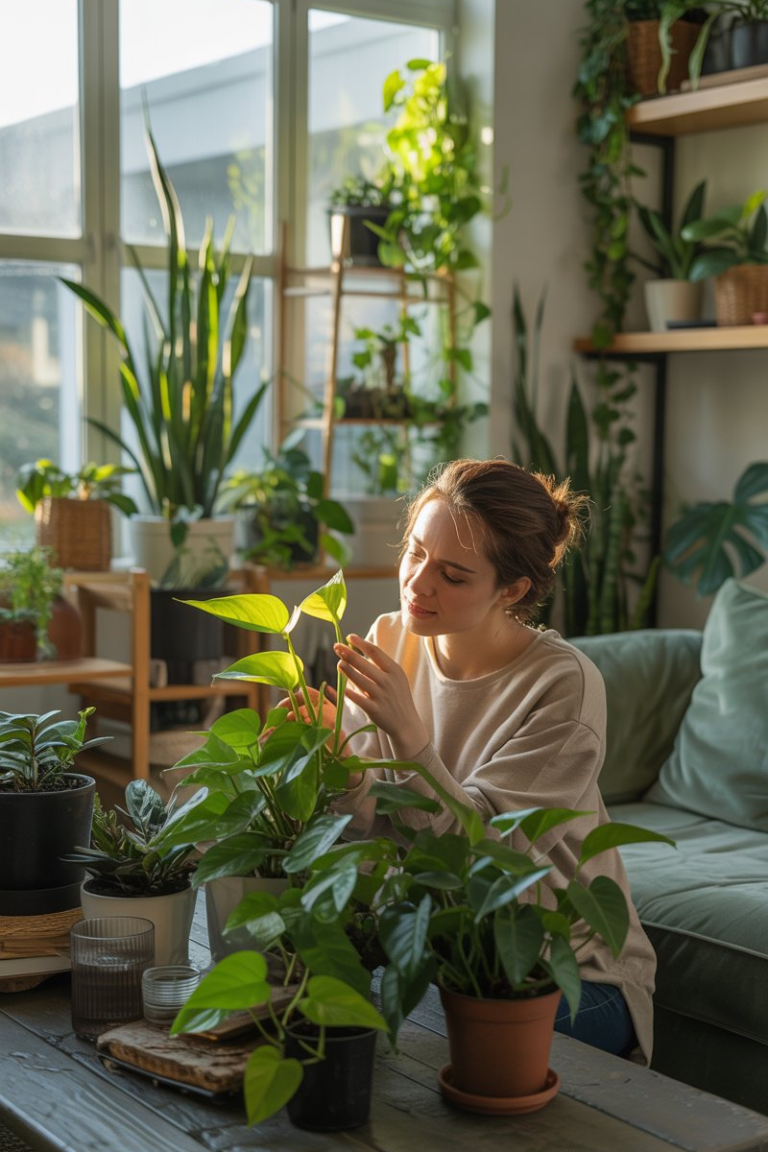
Look under leaves
-
Check new growth
-
Scan soil surface
Early signs like tiny dots, sticky residue, or curled leaves mean you can act fast before pests spread.
Isolate at the First Sign of Trouble
If you see pests:
-
Move the plant away immediately
-
Treat it separately
-
Keep a close eye on surrounding plants.
Isolation alone often stops a small issue from becoming a full infestation.
Clean Pots and Tools
Pests and eggs can hide in old soil and dirty containers.
Good hygiene habits:
-
Wash pots before reuse
-
Remove fallen leaves from soil surface
-
Clean pruning tools between plants
Simple cleanliness goes a long way in pest prevention.
You may also like this
Low-Maintenance Houseplants for Beginners
Beginner Mistakes to Avoid in Indoor Gardening
How to Propagate Indoor Plants at Home (Beginner-Friendly Guide)
Plants That Are Naturally Pest-Resistant
Some houseplants are less attractive to pests, making them great for beginners.
Pest-resistant favorites:
-
Snake plant
-
ZZ plant
-
Pothos
-
Rubber plant
-
Spider plant
Starting with hardy plants builds confidence and reduces pest stress.
What NOT to Do When Preventing Pests
Avoid these common mistakes:
-
Spraying harsh chemicals at the first sign of bugs
-
Irrigating according to a set timetable
-
Ignoring new plants
-
Over-treating healthy plants
The most effective prevention is mild and regular.
Final Thoughts: Prevention Is Easier Than Treatment
Preventing pests on indoor plants isn’t about constant spraying or complicated routines. It’s about healthy plants, clean leaves, smart watering, and regular observation.
Once these habits become part of your care routine, pests stop being a scary problem—and start becoming a rare inconvenience.
Healthy plants don’t just look better—they protect themselves.