
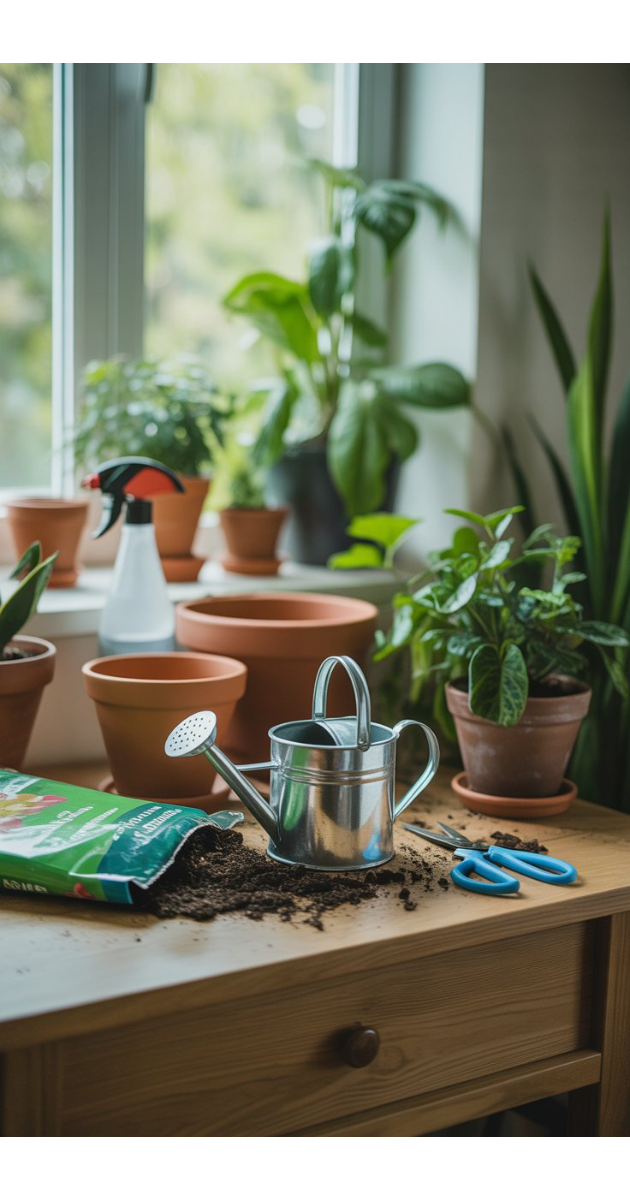
Starting your indoor garden is exciting—until you realize you’re not sure what tools you actually need.
Many beginners in the U.S. buy too much, spend unnecessarily, or skip essential basics that make plant care easier. The truth? You don’t need a garage full of equipment to grow healthy houseplants. A few simple, reliable indoor gardening tools can make all the difference between struggling plants and thriving greenery.
In this guide, I’ll walk you through the essential indoor gardening tools every beginner needs, why they matter, and how to choose the right ones without wasting money.
Why the Right Tools Make Indoor Gardening Easier
Indoor plants live in a controlled environment. That means:
-
Watering must be precise
-
Soil drainage matters more
-
The amount of light differs from one room to another.
Having the right beginner gardening tools helps you respond quickly and care for your plants properly—without guessing.
Let’s break down the must-haves.
1. A Watering Can with a Narrow Spout
Watering seems simple, but it’s one of the biggest beginner mistakes.
A small watering can with a long, narrow spout allows you to:
-
Direct the water straight to the base of the plant, keeping the foliage dry.
-
Avoid soaking leaves
-
Control how much water you pour
For indoor plants, precision matters more than volume. Choose a watering can that holds 1–2 liters—perfect for apartments and small homes.
Pro Tip:
Keep one watering can just for indoor plants. This prevents cross-contamination from outdoor soil or pests.
2. Pruning Scissors (Clean and Sharp)
Healthy plants need trimming from time to time.
Pruning scissors help you:
-
Remove yellow or dead leaves
-
Trim leggy growth
-
Cut stems for propagation
-
Prevent disease spread
Avoid using kitchen scissors. Invest in small, sharp pruning shears designed for plants. Clean them with rubbing alcohol before and after use to prevent spreading bacteria between plants.
Clean cuts heal faster and encourage new growth.
3. Well-Draining Potting Mix
Technically not a “tool,” but absolutely essential.
Many beginners assume all soil is the same. It’s not.
Indoor potting mix is designed to:
-
Give the roots enough space and airflow to breathe.
-
Prevent root rot
-
Stay lightweight in containers
Never use garden soil inside your home. It’s too dense and may contain pests.
For most houseplants, choose a general indoor potting mix. For succulents or cacti, use a specialized fast-draining blend.
4. Pots with Drainage Holes
This is non-negotiable.
Indoor plants hate sitting in water. Without drainage holes:
-
Water collects at the bottom
-
Roots suffocate
-
Fungal problems develop
-
Plants decline quickly
It’s one of the simplest indoor plant care tools that prevents the most common beginner mistake—overwatering damage.
5. A Moisture Meter (Optional but Helpful)
If you struggle with watering confidence, a soil moisture meter can help.
It measures moisture levels in the soil so you know when it’s time to water.
This tool is especially useful if:
-
Your home has varying light levels
-
You keep plants in different rooms
While not mandatory, it can build confidence and prevent early plant losses.
Still, remember: learning to check soil with your finger (top 1–2 inches dry) is just as effective.
6. A Spray Bottle for Humidity
Many popular indoor plants—like pothos, calatheas, and peace lilies—appreciate moderate humidity.
A simple spray bottle allows you to:
-
Lightly mist leaves
-
Clean dust off foliage
-
Increase humidity slightly
-
Spot-treat minor pest issues
Choose a fine-mist sprayer rather than a heavy stream. And avoid over-misting; leaves should never stay soaked.
In dry winter climates (especially in many U.S. states), this tool becomes more helpful.
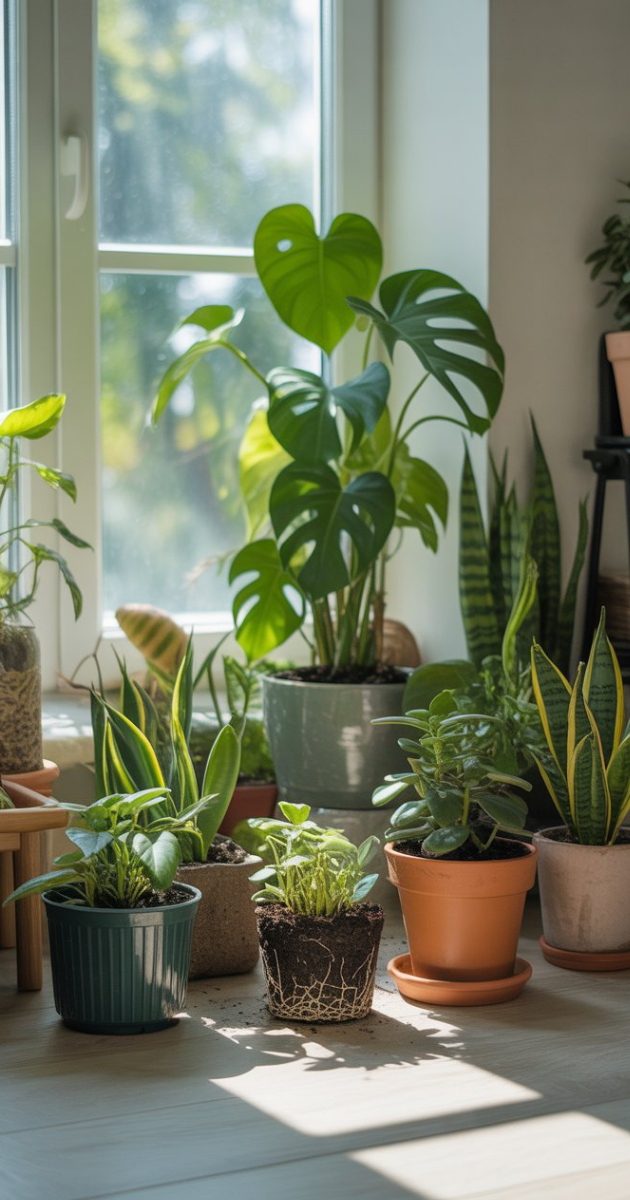
7. A Small Hand Trowel
A hand trowel makes repotting cleaner and easier.
You’ll use it to:
-
Scoop potting mix
-
Fill containers neatly
-
Loosen compacted soil
-
Repot without making a mess
Choose a sturdy metal trowel with a comfortable grip. Plastic works, but metal lasts longer.
Even if you only repot once a year, this tool saves time and frustration.
8. Plant Trays or Saucers
Water will drain. That’s a good thing.
But it needs somewhere to go.
Plant saucers or trays:
-
Protect furniture and floors
-
Catch excess water
-
Prevent stains
-
Help manage drainage properly
Empty standing water after 15–20 minutes so roots aren’t sitting in it.
Tools You Don’t Need (Yet)
Many beginners overspend on unnecessary equipment.
You probably don’t need:
-
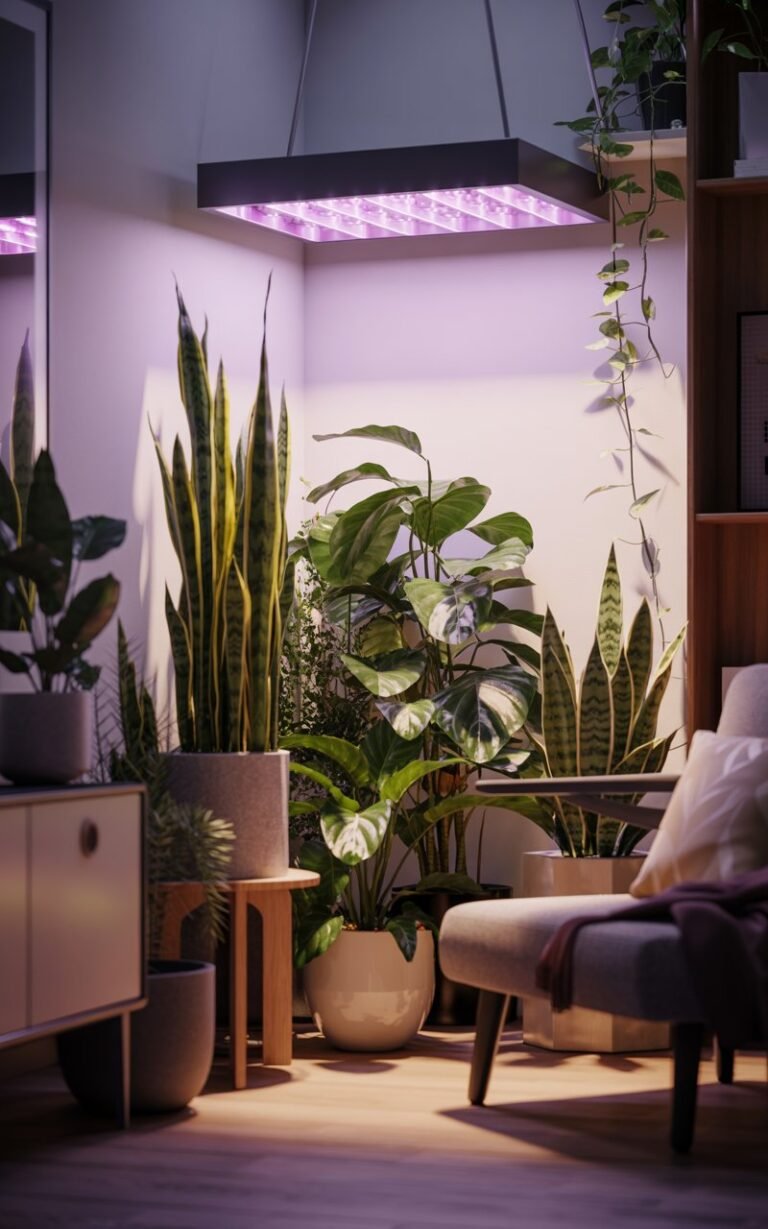
Expensive grow lights (unless your home is very dark)
-
Automated watering systems
-
Fancy humidity domes
-
Large fertilizer collections
-
Complex plant apps
Start simple. Master the basics first.
Indoor gardening tools should support you—not overwhelm you.
How to Build Your Beginner Tool Kit Smartly
If you are beginning from the ground up, here is a straightforward checklist to follow:
Must-Have Starter Kit:
-
Watering can
-
Pruning scissors
-
Indoor potting mix
-
Plant saucers
Nice-to-Have Additions:
-
Moisture meter
-
Spray bottle
-
Hand trowel
Invest in high-quality tools from the start rather than repeatedly replacing inexpensive ones.
You may also like this
How to Prevent Pests on Indoor Plants (Beginner-Friendly Guide)
Indoor Plant Care During Winter: A Beginner’s Survival Guide
Indoor Plant Care for Beginners: A Complete Guide
Indoor Gardening Tips for Small Spaces: A Beginner’s Guide to Growing More in Less Room
Creating a Simple Indoor Gardening Routine
The best tools work alongside good habits.
Here’s a beginner-friendly weekly rhythm:
-
Check soil moisture
-
Inspect leaves for yellowing or pests
-
Rotate plants for even light
-
Wipe dusty leaves
-
Empty saucers after watering
With the right indoor gardening tools and consistent attention, plant care becomes easier and more enjoyable.
FAQ: Indoor Gardening Tools for Beginners
What are the most important indoor gardening tools to start with?
A watering can, pruning scissors, good potting mix, and pots with drainage holes are the essentials.
Do beginners need a moisture meter?
Not necessarily. It helps, but checking the soil with your finger works just as well.
Are grow lights necessary for indoor plants?
Only if your home lacks natural light. Many beginner-friendly plants adapt well to bright, indirect light.
How often should I replace indoor gardening tools?
High-quality tools can last years. Clean and store them properly to extend their life.
Final Thoughts: Keep It Simple, Grow with Confidence
Indoor gardening doesn’t require a complicated setup.
Most beginners fail not because they lack skill—but because they overcomplicate the process.
Start with essential indoor gardening tools. Learn how your plants respond. Build experience gradually.
As your confidence grows, you can expand your collection and refine your setup. But even a small toolkit can support a thriving indoor garden.
Healthy plants aren’t about having more tools. They’re about using the right ones well.