
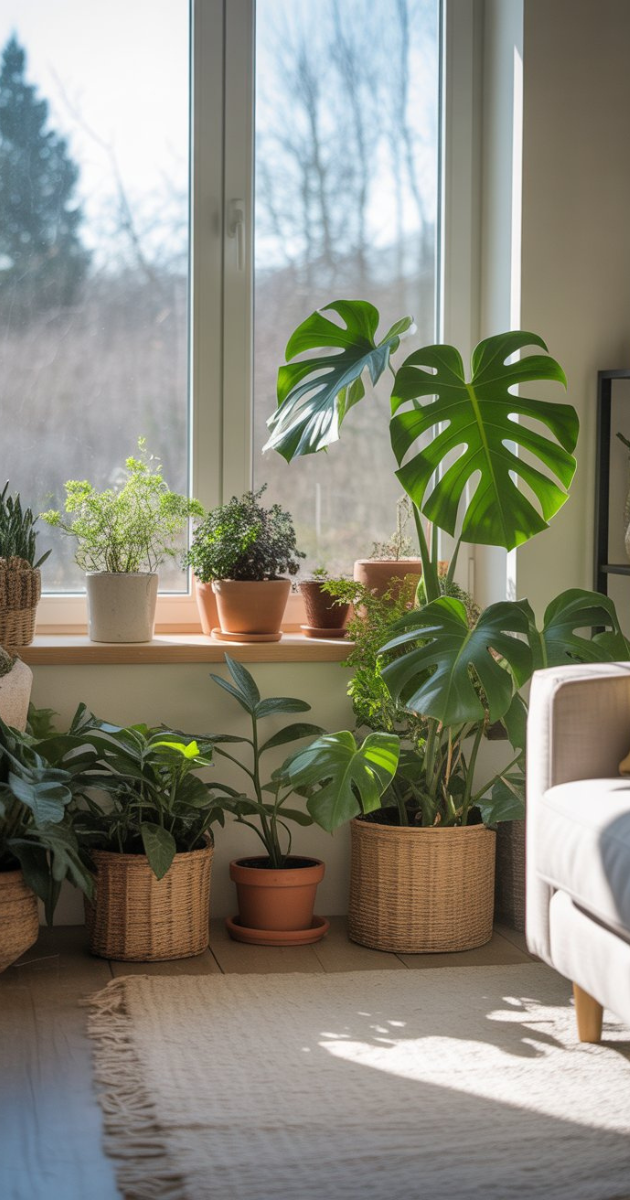
Winter can be confusing for new plant owners.
Your once-thriving houseplants suddenly stop growing. Leaves turn yellow. Soil stays wet longer than usual.You may begin to question whether you have made a mistake in caring for it.
The truth is, indoor plant care during winter requires a different approach than spring and summer care. Shorter days, dry indoor air, and cooler temperatures all affect how plants grow and use water.
If you’re a beginner in the United States dealing with cold winters and indoor heating, this guide will walk you through exactly how to keep your plants healthy until spring returns.
Why Winter Is Hard on Indoor Plants
Most popular houseplants come from tropical regions where temperatures and light levels stay fairly consistent year-round. Winter in the U.S. is the opposite:
-
Fewer daylight hours
-
Lower light intensity
-
Dry air from heating systems
During winter, most indoor plants enter a resting phase. They don’t grow much, which means they need less water and little to no fertilizer.
Understanding this natural slowdown is the key to proper indoor plant care during winter.
Adjusting Your Watering Routine
Water Less, Check More
One of the biggest winter mistakes beginners make is watering on the same schedule as summer.
Because plants grow slower in winter, they use water more slowly. Soil also dries out more gradually.
Instead of watering weekly:
-
For most tropical plants, provide water only after the upper one to two inches of soil have completely dried out.
-
For snake plants and succulents, let the soil dry out almost completely.
Watch for These Overwatering Signs
-
Yellowing lower leaves
-
Mushy stems
-
Sour smell from soil
-
Fungus gnats hovering around the container
If you notice these signs, reduce watering immediately and allow the soil to dry properly before watering again.
Managing Light During Shorter Days
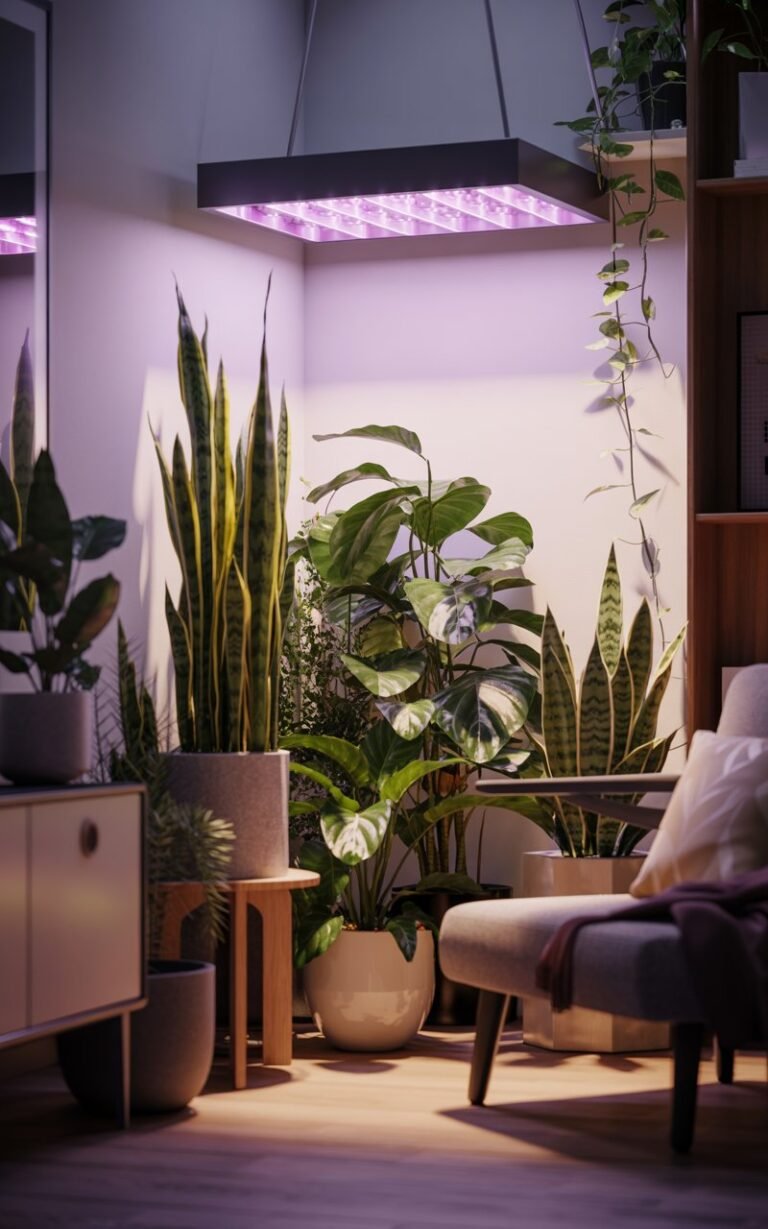
Light is the biggest winter challenge for indoor plants.
Even a bright room in summer may become low light in December and January.
Move Plants Closer to Windows
During winter:
-
Place plants near south- or west-facing windows (in the U.S.).
-
Keep them within a few feet of natural light.
-
Clear your windows to make the most of available sunlight.
Short winter days mean your plants need every bit of available light.
Rotate Pots Regularly
Because light comes from one direction, rotate your plant every 2–3 weeks. This prevents leaning and encourages balanced growth.
Protecting Plants from Cold Drafts
Cold air can shock tropical houseplants.
Keep plants away from:
-
Frequently opened doors
-
Drafty window frames
-
Uninsulated window sills
-
Garage entrances
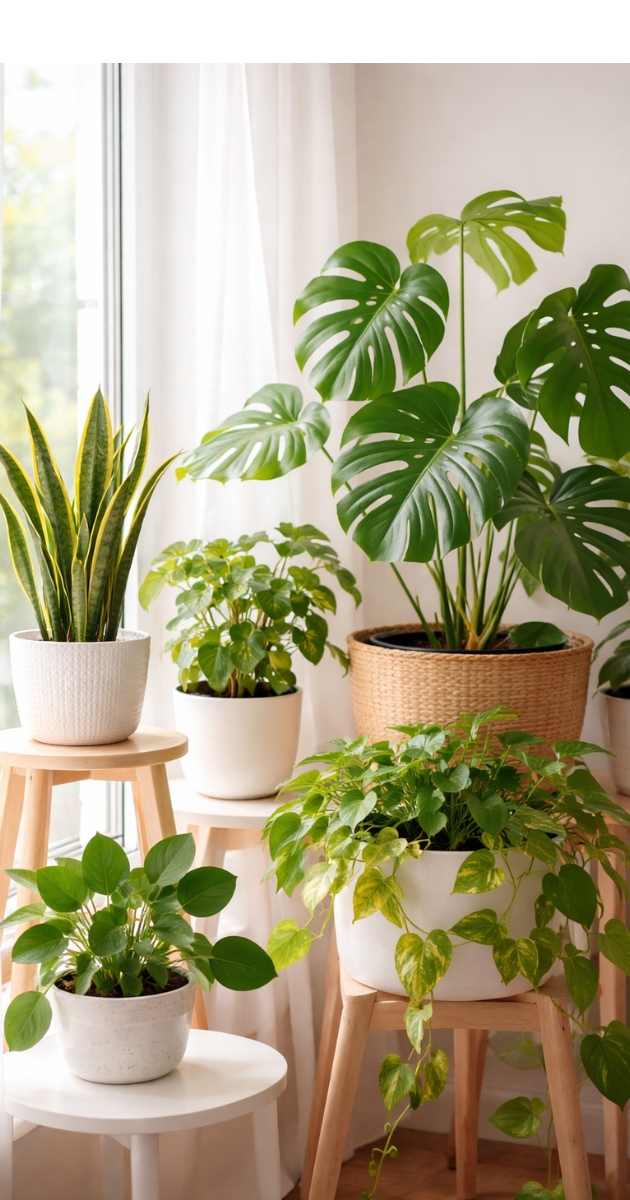
If your plant sits on a cold windowsill, consider placing a small wooden stand or tray underneath to create insulation.
Most indoor plants prefer temperatures between 65–75°F. Avoid letting them sit in rooms below 55°F.
Dealing with Dry Indoor Air
Home heating systems dramatically reduce humidity levels during winter. This dry air can cause:
-
Brown leaf tips
-
Crispy edges
-
Drooping foliage
Simple Ways to Increase Humidity
You don’t need complicated equipment. Try these beginner-friendly solutions:
-
-
Place a shallow tray with water and pebbles under the pot (without letting roots sit in water).
-
Avoid misting as your only humidity method. It provides very short-term moisture and doesn’t significantly improve air humidity.
Should You Fertilize in Winter?
In most cases, no.
Because growth slows down, plants don’t need extra nutrients during winter. Fertilizing while the plant is resting can lead to salt buildup in the soil.
General winter rule:
-
Pause fertilizing from late fall through early spring.
-
Resume feeding once you see new growth in spring.
If your plant is actively growing under strong light (such as near a very bright window), use a diluted fertilizer sparingly.
Winter Pruning: Yes or No?
Major pruning should wait until spring.
However, you can:
-
Clip away faded or yellowed leaves
-
Trim damaged growth
-
Cut off completely brown tips
Always use clean scissors and make cuts just above a leaf node when necessary.
Light maintenance keeps plants healthy without encouraging unnecessary growth during dormancy.
Repotting in Winter: Avoid Unless Necessary
Winter is not the ideal time to repot indoor plants.
Repotting stresses plants, and during winter they don’t recover as quickly.
Only repot if:
-
Roots are severely bound and circling tightly
-
The plant is sitting in soggy, rotting soil
-
There is a serious pest issue
Otherwise, wait until spring when active growth resumes.
Common Winter Problems (And Easy Fixes)
Yellow Leaves
Often caused by overwatering or low light.
Solution: Reduce watering and move plant to brighter light.
Drooping Leaves
May indicate cold stress or inconsistent watering.
Solution: Check temperature and soil moisture.
Leaf Drop
Some leaf loss is normal in winter.
Solution: Maintain consistent care and avoid sudden changes.
Slow or No Growth
Completely normal during winter months.
Solution: Be patient. Growth will resume in spring.
Creating a Simple Winter Care Routine
For beginners, keeping winter care simple works best.
Here’s a practical routine:
-
Keep plants in the brightest available spot.
-
Ensure a stable room temperature at all times.
-
Pause fertilizing.
-
Scan leaves once a week for any signs of infestation.
Consistency matters more than frequent adjustments.
Indoor Plant Care During Winter for Different Plant Types
Tropical Plants (Pothos, Philodendron, Monstera)
-
Water when top 1–2 inches are dry
-
Keep in bright but filtered light.
-
Shield from chilly drafts.
Succulents & Cacti
-
Allow the potting mix to dry almost all the way through.
-
Set by the window that receives the most light.
-
Water sparingly
Snake Plant & ZZ Plant
-
Extremely drought-tolerant
-
Reduce watering significantly
-
Handle lower light better than most
Understanding your plant type helps prevent unnecessary stress during winter.
FAQ: Indoor Plant Care During Winter
How frequently should indoor plants be watered during the winter season?
Irrigate them only after the upper 1–2 inches of soil have become dry. Depending on the level of light and the indoor temperature, this typically results in watering every 10 to 21 days.
Do houseplants require fertilizer in winter?
In most cases, fertilization is unnecessary during winter, as plant growth slows considerably during this period.
What causes brown tips on plant leaves?
The most common reason is low humidity caused by indoor heating systems. Raising the moisture level in the air can help resolve this issue.
Is it typical for plants to stop growing in winter?
Yes, this is normal. Many indoor plants enter a dormant or resting stage during the colder months and begin growing actively again in the spring.
You may also like this
Low-Maintenance Houseplants for Beginners
Indoor Gardening Tips for Small Spaces: A Beginner’s Guide to Growing More in Less Room
How to Propagate Indoor Plants at Home (Beginner-Friendly Guide)
Final Thoughts: Let Plants Rest
Indoor plant care during winter isn’t about doing more—it’s about doing less, but smarter.
Most beginner problems come from treating winter like summer. Remember:
-
Less water
-
More light
-
No fertilizer
-
Stable temperature
Your plants are simply resting. By respecting that natural cycle, you’ll see stronger, healthier growth when spring arrives.
Winter doesn’t have to mean struggling plants. With small adjustments, you can confidently guide your indoor garden through the cold months and into a fresh growing season.