
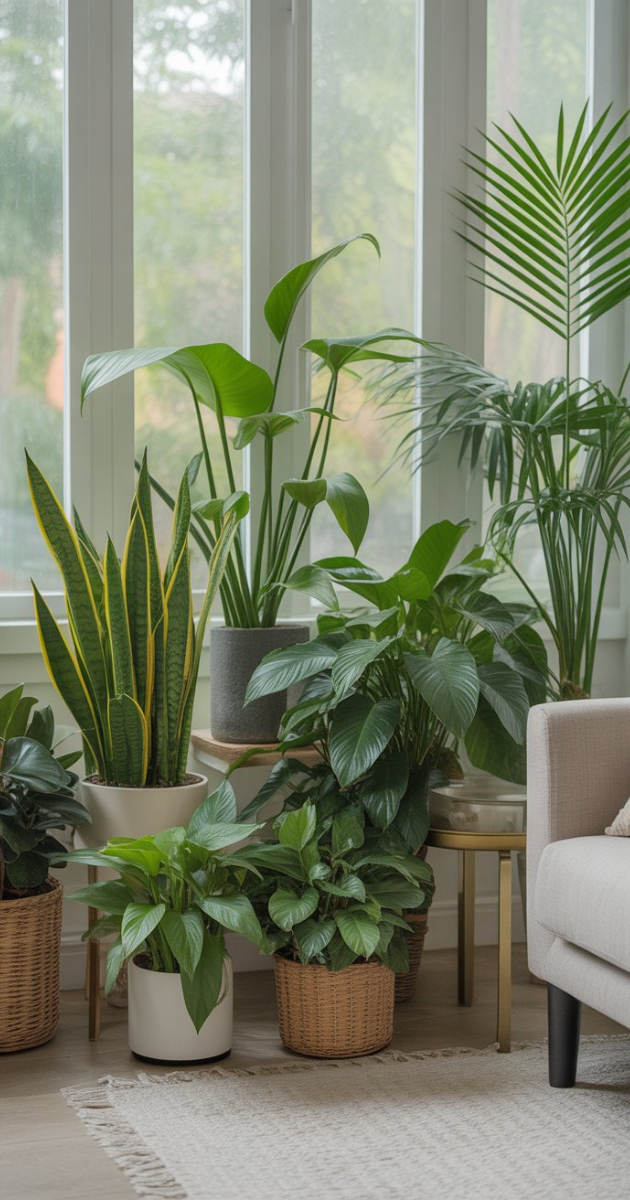
If you’ve ever walked into your home and felt the air was stale or stuffy, you’re not alone. Many beginners in the United States start indoor gardening because they want a fresher, healthier-feeling home — but they don’t know where to begin.
The good news? Certain indoor plants that improve air quality are easy to grow, low-maintenance, and perfect for beginners. While no houseplant can replace proper ventilation, the right plants can help create a cleaner, more refreshing indoor environment while adding natural beauty to your space.
Let’s explore the best air-purifying indoor plants and how to care for them successfully.
Why Air Quality Matters Inside Your Home
Modern homes are often tightly sealed to conserve energy. While this is beneficial for lowering heating and cooling costs, it can lock in:
-
Dust
-
Pet dander
-
Household odors
-
Airborne particles
-
Toxic substances released by household items and cleaning agents
Adding air purifying houseplants can help support a freser indoor atmosphere and increase humidity slightly, especially during dry seasons.
But remember: plants are part of the solution — not the only solution. Good airflow and regular cleaning are still essential.
Best Indoor Plants That Improve Air Quality
Below are beginner-friendly plants known for their ability to support better indoor air.
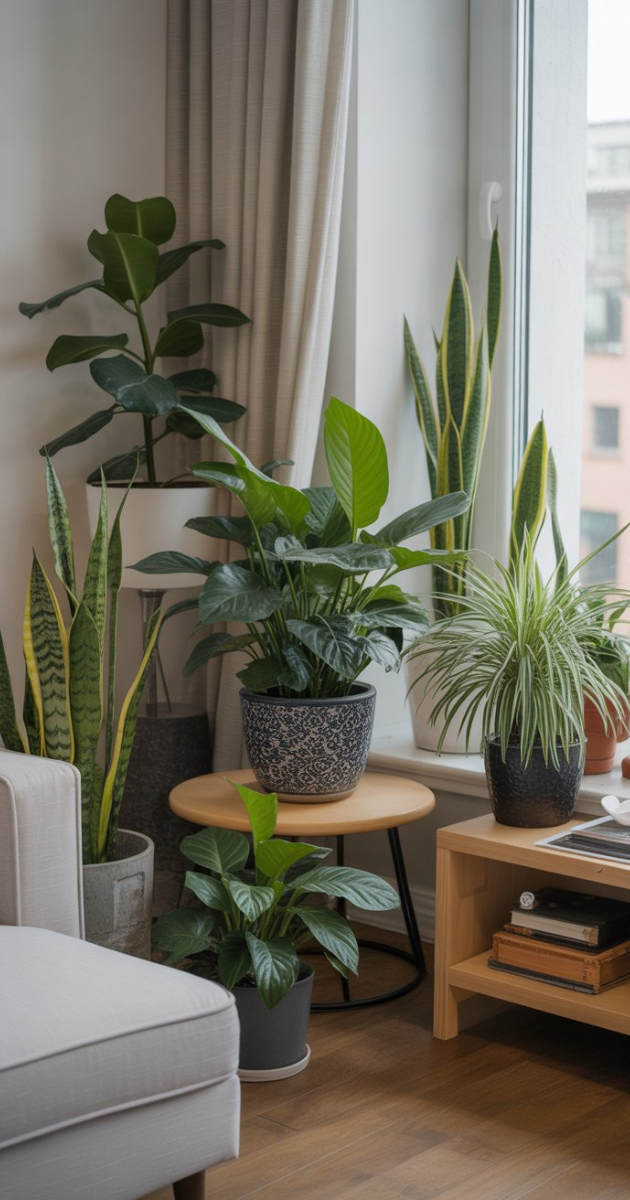
1. Snake Plant (Sansevieria)
If you want something nearly impossible to kill, start here.
Why beginners love it:
-
Tolerates low light
-
Needs watering only every 2–3 weeks
-
Handles dry indoor air
Snake plants produce oxygen during the night, which makes them a great choice for bedrooms. They also adapt well to apartments and offices.
Care tip:
2. Peace Lily
Peace lilies are beautiful and practical. Their dark green leaves and white blooms brighten any room.
Benefits:
-
Helps reduce common indoor airborne particles
-
Adds humidity
Care tip:
Peace lilies droop when thirsty — which makes them beginner-friendly.Water once the top inch of soil has dried out.
Keep away from pets, as leaves can be toxic if chewed.
3. Spider Plant
They produce small “baby” plants that hang down, making them perfect for shelves or hanging baskets.
Why it’s great:
-
Fast-growing
-
Tolerates indirect light
-
Beginner-proof
Care tip:
Allow soil to dry slightly between waterings. Trim brown tips if they appear.
4. Pothos (Devil’s Ivy)
If your home doesn’t get much sunlight, pothos is your best friend.
This trailing vine grows well in:
-
Low light
-
Fluorescent lighting
-
Small apartments
Pothos is often recommended among the best plants for indoor air because it’s adaptable and resilient.
Care tip:
5. Areca Palm
Want a plant that makes a visual statement while supporting fresher air? Try the areca palm.
It’s excellent for:
-
Living rooms
-
Open spaces
Areca palms naturally increase indoor humidity, which can make dry indoor air feel more comfortable.
Care tip:
Keep soil lightly moist but not soaked. Provide bright, filtered light.
Where to Place Air-Purifying Plants for Best Results
Placement matters more than most beginners realize.
For better indoor plant air benefits:
-
Keep plants in the rooms where you spend most of your time.
-
Keep them near windows with indirect light.
-
Avoid placing them directly next to heating or AC vents.
-
Use multiple plants instead of relying on just one large plant.
A good starting rule: one medium plant per 100 square feet is a balanced approach for beginners.
Common Beginner Mistakes to Avoid
Even the best indoor plants that improve air quality can struggle if basic care is ignored.
Here’s what to watch for:
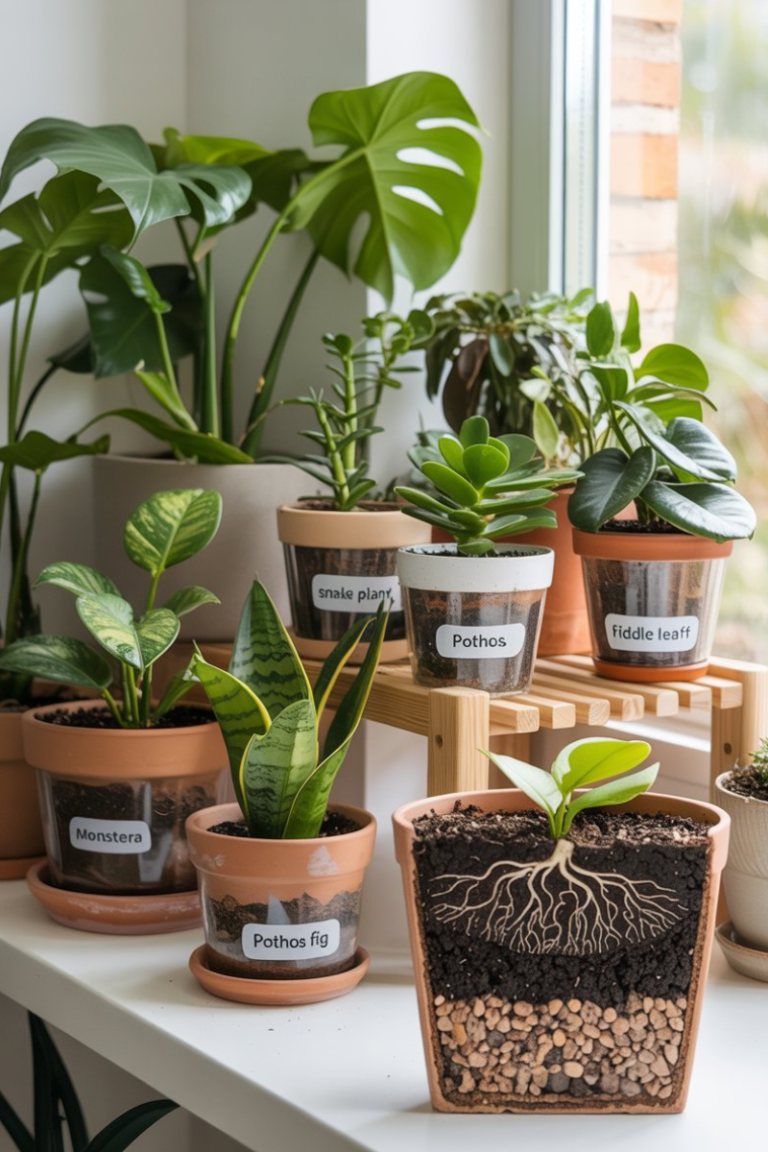
Overwatering
Always:
-
Ensure pots have drainage holes
-
Discard any standing water from the trays beneath pots after each watering session.
Ignoring Light Conditions
Low light does not mean no light. Even tolerant plants need some indirect brightness.
If growth slows dramatically or leaves turn pale, increase light exposure.
Expecting Instant Results
Plants support air quality gradually. You won’t notice dramatic overnight changes.
Instead, think of plants as long-term contributors to a healthier indoor environment.
How Many Plants Do You Really Need?
This is a common beginner question.
While studies suggest multiple plants are needed for measurable air purification, you don’t need dozens to enjoy benefits.
Start small:
-
2–3 plants in a bedroom
-
3–5 plants in a living area
Over time, you can expand your collection as your confidence grows.
Remember: healthy plants are more effective than neglected ones.
You may also like this
Low-Maintenance Houseplants for Beginners
Indoor Plant Care for Busy People: A Realistic Guide for a Packed Schedule
How to Prevent Pests on Indoor Plants (Beginner-Friendly Guide)
Beginner Mistakes to Avoid in Indoor Gardening
Creating a Cleaner Indoor Environment Naturally
Beyond choosing the right plants, combine them with smart habits:
-
Open windows regularly when weather allows
-
Dust plant leaves monthly (clean leaves absorb more light)
-
Avoid over-fertilizing
-
Rotate plants for even growth
When cared for properly, indoor plants do more than decorate — they create a calm, refreshed feeling in your home
FAQ: Indoor Plants That Improve Air Quality
Do indoor plants really clean the air?
Plants can help support indoor air freshness and humidity, but they work best alongside good ventilation and regular cleaning.
What is the best plant for beginners to improve air quality?
Snake plants and spider plants are among the easiest and most forgiving options.
How often should I water air-purifying plants?
In most cases, water only after the top 1–2 inches of soil have dried out.
Can I keep these plants in a bedroom?
Yes. Snake plants and peace lilies are popular choices for bedrooms.
Final Thoughts: Start Simple, Grow Confidently
Choosing indoor plants that improve air quality is one of the easiest ways to begin your indoor gardening journey.
-
A few beginner-friendly plants
-
Proper light
-
Careful watering
-
A little patience
Start with one or two low-maintenance options like snake plant or pothos. Once you see how easy it can be, you’ll naturally want to add more.
Cleaner air, greener space, and a more relaxing home — that’s a win for any beginner gardener.